
Simple Planning Errors Can Lead to Costly Yard Problems Later
Many landscape installation problems start with poor planning, wrong plant choice, bad drainage, or rushed work. Homeowners often focus on how the yard will look right away, but miss what the space needs to work well over time. In Effingham, SC, these mistakes can lead to dead plants, standing water, cracked hardscape, and extra repair work. The good news is that most of these issues can be avoided when you know what to check before work begins.
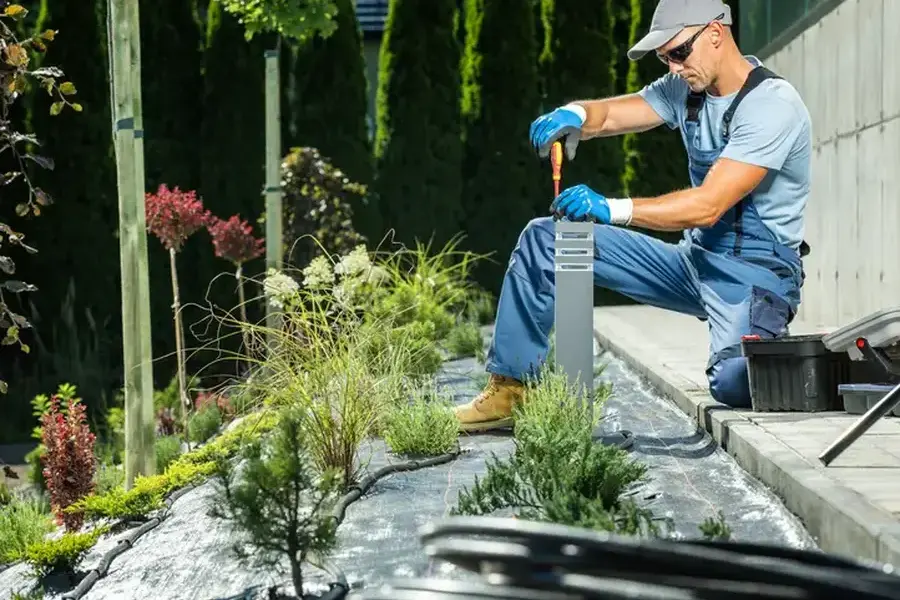
Common Symptoms of a Bad Project
A landscape installation project can look fine on day one and still have hidden problems. Some signs show up fast. Others take a few weeks or months. When you know the warning signs, it is easier to catch trouble early.
- Water pools near patios, walkways, or the home’s foundation
- Plants turn yellow, droop, or die soon after planting
- Mulch washes away after rain
- Pavers shift, sink, or separate
- Grass struggles to grow in new areas
- Beds look crowded after one growing season
- Irrigation sprays the sidewalk instead of the planting area
These symptoms often point to deeper setup issues, not just normal wear. A yard can be beautiful and still be built in a way that causes long-term trouble.
Likely Causes Behind These Mistakes
Most common mistakes in landscape installation projects come from skipping the basics. One big issue is ignoring drainage. If water has nowhere to go, it will collect in low spots and damage nearby features. Another problem is using plants that do not fit the sunlight, soil, or space. A small shrub can become too large and crowd windows, paths, or other plants.
Soil prep is another missed step. New plants need healthy soil with the right structure. If the ground is too compact, roots may not spread well. Hardscape problems often start when the base is too thin or poorly packed. This can cause patios and walkways to move over time.
Some projects also fail because the layout was never tested for real use. A path may look nice on paper, but it can feel awkward if it cuts across normal foot traffic. The same goes for lighting, edging, and watering zones. Even a general service category can affect results when it is handled without a clear plan.
What to Check First Before Work Starts
Before any landscape installation begins, take time to inspect the space. This step helps prevent simple mistakes from turning into expensive repairs. Start with water flow. Watch where rain goes. Look for low areas, runoff paths, and places where water sits.
Next, check sunlight. A bed that gets full afternoon sun needs very different plants than a shady area near a fence. Then look at soil condition. Dry, hard, or rocky ground may need added work before planting. Last, think about how people use the yard each day. Good design should fit real habits, not just a sketch.
- Map sunny and shady areas
- Watch drainage after rain or watering
- Measure bed size and plant spacing
- Mark utility lines and irrigation zones
- Choose plants based on mature size, not nursery size
- Plan for access, mowing, and future maintenance
This checklist can help homeowners slow down and make better choices before materials arrive.
Safe Fixes Vs Pro-Level Fixes
Some problems have simple fixes. Others need trained help. If mulch keeps washing out, adding edging or changing slope may help. If a few plants are too close together, they can often be moved early. Small irrigation adjustments are also common when spray heads miss the target.
But some issues are harder to solve. Major drainage problems usually need grading changes, drains, or rebuilt sections. Sunken pavers often mean the base was not built right, so patching the top will not last. Large plant losses may point to poor soil prep, root damage, or a bad watering plan. These repairs often involve more than one part of the yard, so guessing can make things worse.
A good rule is simple. Cosmetic fixes are usually safe to try first. Structural, drainage, and base problems often need a trained eye.
Prevention Tips for Better Long-Term Results
The best way to avoid regret is to slow the job down and build it right from the start. Good planning saves money, time, and stress. A smart landscape installation should look good now and still work well after heavy rain, summer heat, and plant growth.
- Do not plant without checking mature size
- Do not ignore grading near the house
- Do not place all plants on the same watering schedule
- Do not skip the base under patios or walkways
- Do not choose materials based only on looks
- Do not crowd trees near structures or utility areas
It also helps to think one season ahead. Ask how the yard will look after growth, storms, and regular use. That simple habit can prevent many common errors.
When to Get Expert Help
Expert help makes sense when the project includes drainage correction, retaining walls, large planting plans, irrigation changes, or hardscape work. It also helps when a yard has repeated failure, such as plants dying in the same area or patios shifting again and again. If the space has slopes, standing water, or tight access, outside help can prevent bigger issues later.
Many homeowners can handle small upgrades on their own. But larger projects often need a plan that connects soil, grading, plants, and structure. When those parts work together, the yard tends to last longer and perform better.
Get Help With a Yard Plan That Works
If your property in Effingham, SC has drainage trouble, plant loss, or layout problems, we can help review the site and explain practical next steps. Contact By The Yard Lawn Care to talk about your goals and ask questions about your landscape installation project. Call us at (843) 919-3422 for help building a yard that fits your space and holds up over time.