
Why Routine Care Keeps Shrubs Healthier and Yards Safer
Regular hedge trimming helps shrubs grow thicker, look neater, and stay healthier over time. It can also help stop overgrowth that blocks walkways, windows, or driveways. For many homes in Effingham, SC, simple routine care makes a big difference. Trimming on a steady schedule can lower the chance of weak branches, patchy growth, and plants that get out of shape too fast.
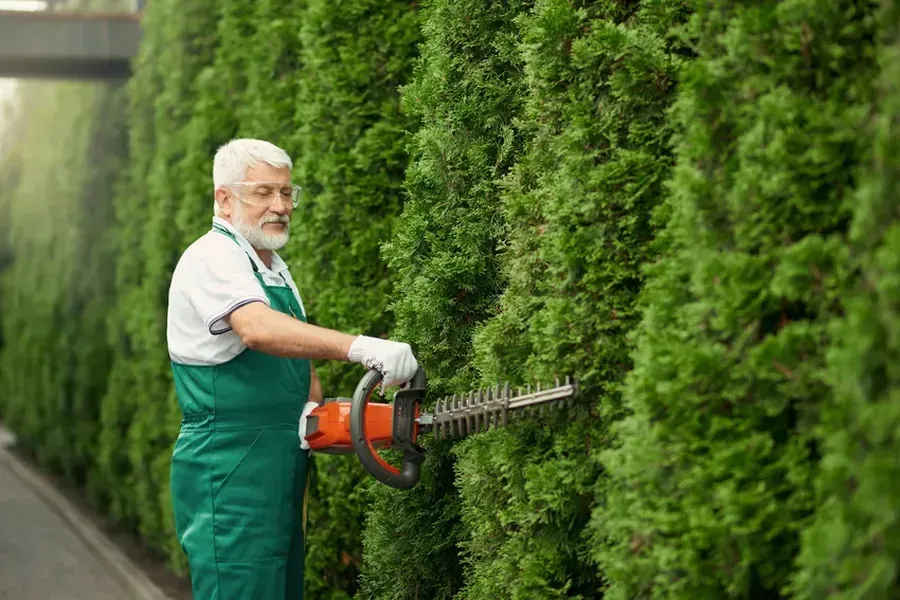
Why Prevention Matters
Hedges keep a yard looking clean and finished. But they need care to stay that way. When shrubs are left alone too long, they often grow unevenly. Some parts get too tall, while other parts thin out. Regular hedge trimming helps guide healthy growth. It also lets more light and air move through the plant.
That matters because crowded branches can hold moisture. Too much moisture can lead to plant stress, bare spots, or decay. A clean trim also helps you spot problems early. You may notice pests, broken limbs, or dead growth before the issue spreads. This is one reason routine service is a smart part of general outdoor maintenance.
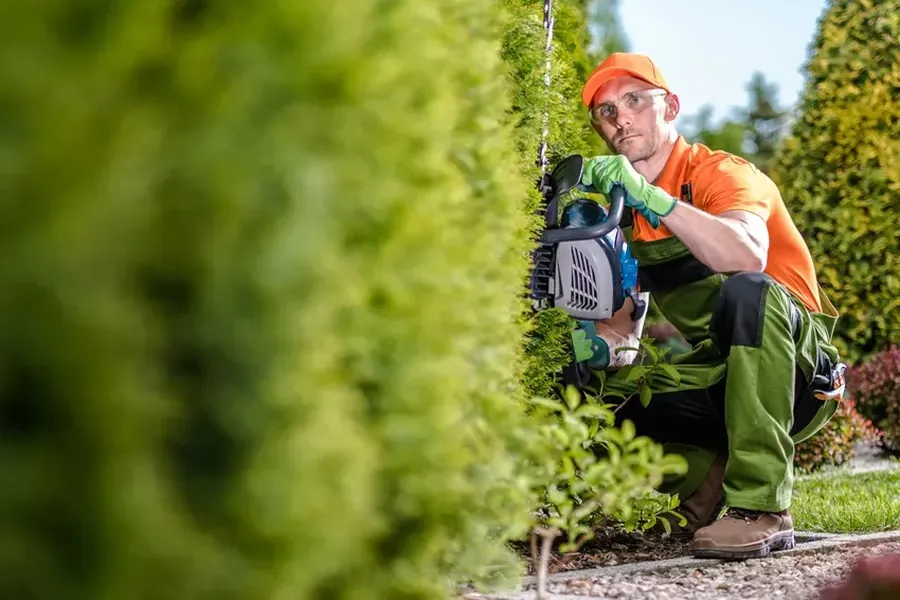
Early Warning Signs
Many property owners wait until a hedge looks bad. By then, the fix can be harder. A shrub often gives small signs before it becomes a big problem. Watching for those signs helps you act sooner.
- Branches stick out in random directions
- The top gets heavy and shades lower growth
- Leaves look thin near the bottom
- Hedges block paths, signs, or windows
- Dead or damaged stems appear inside the plant
- The shape looks uneven from one side to the other
If you see one or more of these signs, regular hedge trimming may help bring the plant back into a better shape before the problem gets worse.
Seasonal or Routine Checklist
A simple schedule can help shrubs stay neat all year. The right timing depends on the type of hedge, how fast it grows, and what you want it to do. Some hedges are mainly for looks. Others give privacy, mark a property line, or frame a front walkway. Each use affects how often trimming makes sense.
- Check the hedge shape every few weeks during active growth.
- Remove broken, dead, or rubbing branches when you see them.
- Trim light growth before it turns into heavy overgrowth.
- Keep the base a bit wider than the top so light reaches lower leaves.
- Clear clippings from the plant and ground after each service.
- Watch for signs of insects, disease, or stress after each trim.
This kind of routine helps stop major reshaping later. Small trims done at the right time often work better than one harsh cut after months of neglect.
Best Practices for Long-Term Results
Good trimming is not just about making a hedge look square or flat. It is about helping the plant stay strong year after year. A well-shaped hedge often grows more evenly because energy is spread better across the plant. That can lead to fuller sides and fewer thin spots.
It also helps to trim with purpose. For example, privacy hedges may need a taller, fuller shape, while small border shrubs may need a crisp, lower edge. The same approach does not fit every yard. A careful plan helps match the look of the plant to the space around it.
Regular care can also support safety. Overgrown hedges can hide corners, block sight lines near driveways, or crowd steps and walkways. Keeping growth in check helps people move around the property more easily. It can also help stop branches from scraping siding, fencing, or windows.
What Not to Do
Some trimming habits can hurt more than help. Cutting too much at once is one common problem. When a hedge loses too much leaf cover, it may struggle to recover. Another issue is shaping the top too wide. That blocks sun from reaching the lower branches, which can leave the bottom thin and bare.
Using dull tools can also cause rough cuts. Rough cuts may stress the plant and leave it looking ragged. It is also a mistake to ignore the hedge for long periods and then cut it back hard. That kind of sudden change can spoil the shape and slow future growth.
Another thing to avoid is guessing based on one shrub and using the same plan for all others. Different plants grow at different rates. A steady routine based on the hedge type usually brings better long-term results.
When to Schedule Professional Help
Some hedge care is simple. Still, there are times when trained help makes sense. Tall hedges can be hard to trim evenly and safely. Large shrubs may need special tools or ladders. Older hedges with bare sections may also need a more careful approach than a basic haircut.
Professional service can also help when the hedge lines a long fence, frames a large front yard, or wraps around several sides of a property. In these cases, getting a clean, balanced look takes time and skill. A service team can often spot weak growth, storm damage, or shape issues that are easy to miss from the ground.
If your shrubs grow fast, lose shape often, or affect how the whole yard looks, regular hedge trimming service may save time and lead to better results.
Get Help With Routine Hedge Care
For property owners in Effingham, SC, regular service can keep hedges neat, healthy, and easier to manage through the year. At By The Yard Lawn Care, we provide careful trimming based on plant size, growth, and layout. If you’d like help planning service for your yard, call us at (843) 919-3422 and we can help you choose a schedule that fits your property.